Tourism in Brittany: complete guide
Discover Brittany, the wild and mysterious region of western France. Rugged coastlines, crêperies, standing stones and Celtic sea.
Updated on 8 April 2026
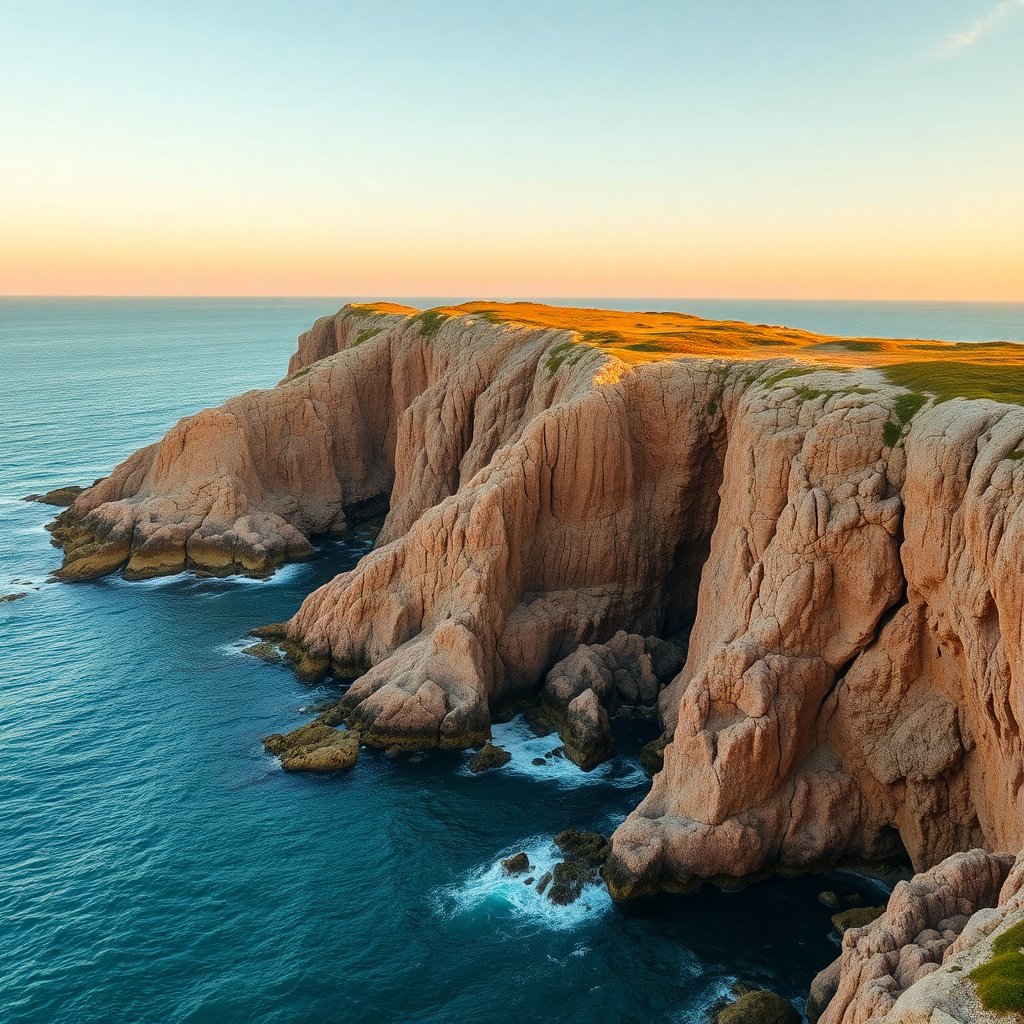
Brittany is one of France’s most captivating regions. Nestled at the far western tip of the country, it offers a unique blend of spectacular nature, vibrant Celtic culture and extraordinary culinary traditions.
Why visit Brittany?
With over 2,700 km of coastline, Brittany has one of the most varied shorelines in Europe. From the vertiginous cliffs of the Pointe du Raz to the white sand beaches of Finistère, and the wild islands of Belle-Île-en-Mer and Île de Bréhat, every corner holds breathtaking beauty.
The interior is equally fascinating: the forest of Brocéliande linked to Arthurian legends, the Nantes-Brest canal and vast moorlands make for a landscape unlike any other.
Must-see highlights
Natural sites
- Pointe du Raz (Finistère) — the westernmost cape of mainland France
- Pink Granite Coast (Côtes-d’Armor) — rock formations found nowhere else on Earth
- Crozon Peninsula — Atlantic panoramas from 100-metre cliffs
Towns and villages
- Saint-Malo — the corsair city with medieval ramparts
- Quimper — cultural capital of Cornouaille
- Dinan — one of Brittany’s finest medieval towns
- Vannes — gateway to the Gulf of Morbihan
Megalithic heritage
The Morbihan department is home to one of the world’s largest concentrations of megaliths: the Carnac alignments feature nearly 3,000 standing stones erected more than 5,000 years ago.
Breton gastronomy
Breton cuisine is generous and rooted in its maritime terroir:
- Crêpes and galettes — buckwheat galette is an institution
- Seafood — Cancale oysters, lobsters, langoustines
- Kouign-amann — the rich, caramelised Breton cake
- Cider and chouchen (mead) — the local drinks of choice
When to go?
Peak season runs from June to September with pleasant temperatures (18–22°C) and the most events. For smaller crowds, May and September are ideal. Winter, though rainy, offers a wild and authentic Brittany perfect for lovers of wide open spaces.
Getting there
- Paris → Rennes: 1h30 by TGV
- Paris → Brest: 3h30 by TGV
- By car: A11 motorway from Paris, around 4 hours to Rennes
- By air: airports at Brest, Rennes, Lorient and Quimper
Where to stay
Brittany offers every type of accommodation: charming seaside hotels, rural gîtes on the moors, campsites in the forests, and B&Bs in old granite farmhouses. Prices remain reasonable outside July and August.